Injured by Falling Merchandise? When a Tennessee Store Is Liable
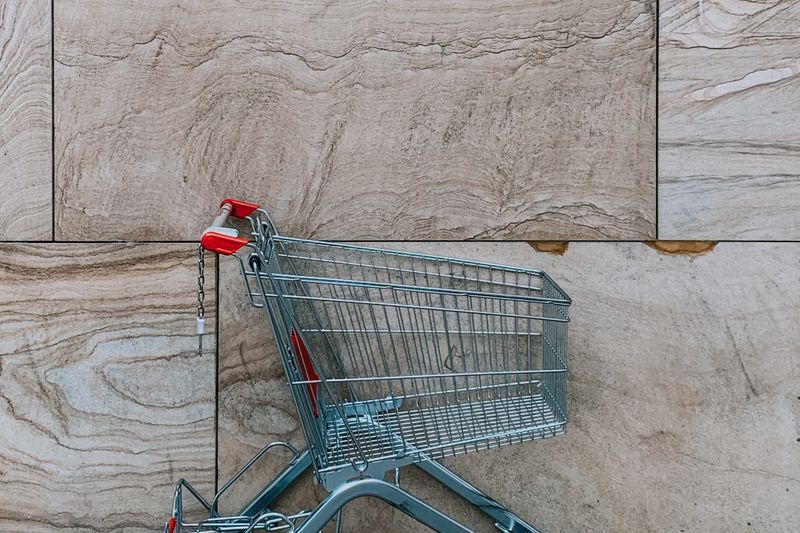
If merchandise fell on you in a store, you can bring a premises liability claim in Tennessee against the retailer. You generally need to show the store either created the dangerous condition, such as stacking merchandise unsafely, or had actual or constructive notice of it before you were hurt. Falling object cases are often stronger than a typical slip and fall, because how products get stacked, secured, and shelved is entirely within the store’s control.
These injuries can be severe. An object falling from a high warehouse rack carries real force, and head, neck, and shoulder injuries are common.
Table of Contents
What Must You Prove Against a Store?
Tennessee premises liability law requires proof that the dangerous condition was either caused by the owner or its employees, or that the owner had actual or constructive notice of it before the incident.
The Tennessee Supreme Court addressed constructive notice in Blair v. West Town Mall, 130 S.W.3d 761 (Tenn. 2004). Constructive notice can be shown in two ways:
- The condition existed long enough that the owner, using reasonable care, should have discovered it, or
- There was a pattern of conduct, a recurring incident, or a general or continuing condition indicating the dangerous condition’s existence
That second path matters in falling merchandise cases. If a store repeatedly stacks inventory in an unstable way, or the same display keeps toppling, that pattern can establish notice without proving how long one specific item sat in a precarious position.
There is also an important shortcut. When store employees created the hazard themselves by stacking or shelving the merchandise, you may not need to prove notice at all. The store already knew, because it did it.
How Do These Injuries Happen?
- Overstacked shelves, with merchandise pushed past the shelf edge
- Warehouse-style racking, where heavy items are stored well above shoulder height
- Unsecured pallets and boxes on upper racks
- Improperly assembled or overloaded displays
- Items stacked on top of each other without restraints or netting
- Employees moving inventory overhead while customers shop below
- Forklift operation in customer aisles during business hours
- Leaning or unanchored shelving units and mirrors
- Falling signage or light fixtures
Retailers using tall industrial racking in customer areas have well-known safety protocols for this, including restraints, netting, safe stacking heights, and blocking off aisles during restocking. Skipping those steps to keep aisles open is a common source of these claims.
Who Can Be Held Liable?
Depending on how the incident happened, several parties may share responsibility:
- The store, for unsafe stacking, inadequate training, or failing to inspect
- The property owner, where a structural fixture failed
- A stocking or merchandising contractor, if a third-party vendor built the display
- A product or shelving manufacturer, if equipment failed because of a defect
- A maintenance contractor, where anchoring or installation was the problem
Tennessee applies modified comparative fault. A store may argue you reached for an item, climbed a shelf, or ignored a warning. Even if some fault is assigned to you, you can still recover as long as your share stays below 50 percent, with your award reduced accordingly.
What Evidence Should Be Preserved?
Retail evidence vanishes fast, and stores document these incidents for their own purposes:
- Store surveillance video, which frequently overwrites within days or weeks
- The incident report the store prepares
- Photographs of the scene before employees clean up and restack
- The object itself and its packaging
- Employee statements and the names of anyone who responded
- Stocking schedules and planograms showing how the display was supposed to be built
- Prior incident reports involving similar falls or displays
- Safety policies and training records on stacking and merchandising
Photograph the aisle before anything is moved if you are physically able. Within minutes, employees typically restack the merchandise, and the condition that injured you is gone.
What Should You Do After a Falling Object Injury?
- Get medical attention, particularly for any head or neck impact
- Report it and insist on a written incident report
- Ask for a copy of that report before you leave
- Photograph the display, the object, and your injuries
- Get witness contact information
- Avoid giving a recorded statement to the store’s insurer early on
- Send a preservation request for video, through a lawyer if possible
Falling Object Injury FAQs
What if I was reaching for an item on a high shelf?
You may share some fault, but that does not bar recovery unless your share reaches 50 percent. Stores are expected to anticipate that customers reach for merchandise.
The store said it was an accident and nobody was at fault. Is that the end?
No. That is the store’s position, not a legal determination. Whether employees created the hazard or should have discovered it is the actual question.
Does it matter that no employee saw it happen?
Not necessarily. Video, the physical arrangement of the merchandise, and evidence of recurring problems can establish what happened.
How long do I have to file in Tennessee?
Generally, one year from the injury under Tennessee Code Section 28-3-104. Store video is usually gone long before that.
Struck by Merchandise That Should Have Been Secured
How high merchandise is stacked, whether it is restrained, and whether aisles are closed during restocking are decisions the store makes. When those decisions put a customer in the hospital, the store’s own video and stocking records typically show what went wrong.
The Higgins Firm handles premises liability and retail injury claims across Tennessee. Reach us through our contact page for a free case review. You pay nothing unless we recover money for you.
Author Bio

Jim Higgins, founder of the Higgins Firm, is a seasoned personal injury attorney with deep roots in Nashville, Tennessee. A 4th generation Nashvillian, Jim carries on the legal legacy of his father, a judge for over 30 years. After graduating from the University of Memphis School of Law, Jim’s career began on the other side of the courtroom, defending insurance companies and learning their tactics for minimizing settlements. However, he soon realized his true calling was fighting for the rights of the injured, and for the past several years, he has exclusively represented plaintiffs in personal injury cases.
Since then, his dedication and skill have earned him membership in the prestigious Million Dollar Advocates Forum, an organization limited to attorneys who have secured million and multi-million dollar verdicts and settlements for their clients. Licensed to practice in Tennessee, Kentucky, and Georgia, Jim focuses on personal injury, product liability, medical malpractice, and workers’ compensation cases. His exceptional work has been recognized by his peers, earning him a spot on the Super Lawyers list from 2021 to 2024, a distinction awarded to only a select group of accomplished attorneys in each state.