Attacked or Robbed at a Gas Station or ATM at Night

If you were attacked or robbed at a gas station or ATM at night in Tennessee, the business that owns or controls that property may share legal responsibility for your injuries. Tennessee law expects businesses to take reasonable security steps when crime is foreseeable, and late-night gas stations and ATMs are places where the risk is well known. Whether you have a claim depends on what the business knew and what it did about it.
You stopped for gas or cash, not to become a crime victim. Here is how these claims work.
Table of Contents
Can You Sue a Gas Station or Bank After Being Robbed?
You can when the business failed to take reasonable precautions against a crime it should have anticipated. The Tennessee Supreme Court set the test in McClung v. Delta Square Limited Partnership, 937 S.W.2d 891 (Tenn. 1996), a case involving a woman abducted from a shopping center parking lot.
Under McClung, courts weigh:
- The foreseeable probability of harm, often shown by prior crimes on or near the property
- The gravity of the potential harm
- The burden of preventive measures the business could have taken
The more crime a location has seen, the more the law expects from its owner. A gas station with repeated armed robberies may be required to do far more than one with no history at all.
What Security Should a Gas Station or ATM Have at Night?
Tennessee claims involving gas stations and ATMs are generally decided under the same premises liability rules that apply to any business. What counts as reasonable depends on the location’s crime history and layout. Measures commonly at issue include:
- Bright, working lights at pumps, ATMs, entrances, and parking areas
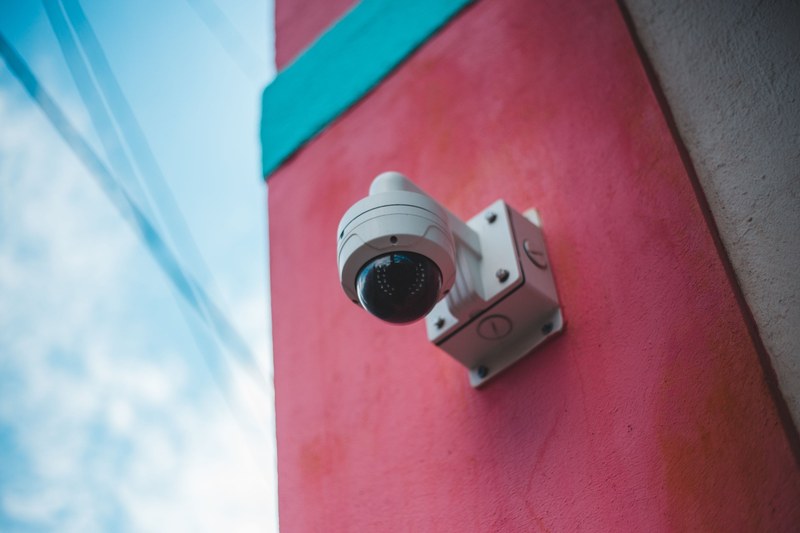
- Cameras that record and cover the pumps, lot, and ATM approach
- Clear sightlines, without window signs or shrubbery that hide the lot from the clerk or passing traffic
- Night procedures, such as locked doors with a pass-through window at high-crime stores
- Staff training on robbery response and calling 911
- Security guards or patrols where prior violence called for them
- Prompt repairs to burned-out lights and broken cameras
A station that knew its lot lights had been out for weeks, or an ATM placed in a dark, hidden corner after earlier robberies, raises serious questions about reasonable care.
Who Is Responsible When an ATM Sits on Someone Else’s Property?
ATMs often involve more than one company. The bank that owns the machine, an independent ATM operator, the convenience store hosting it, and the landlord who owns the lot may each control different parts of the setting.
The key question is who controlled the conditions that mattered: the lighting, the placement of the machine, the cameras, and the surrounding area. Contracts between these companies often assign those duties, and a lawyer can obtain them during the case.
How Do You Prove a Gas Station Robbery Was Foreseeable?
Foreseeability is usually the center of the case. Helpful evidence includes:
- Police calls for service to the address over the past several years
- Prior robbery and assault reports at the location and nearby
- Internal incident logs kept by the store or its corporate owner
- Corporate security assessments identifying the store as high risk
- Employee testimony about earlier crimes and safety complaints
- Maintenance records for lighting and camera repairs
- Surveillance video, which is often overwritten within days
For ATM robberies, your bank records can pin down the exact time of your transaction, which helps locate footage. Many of the same evidence issues come up in parking lot attacks and negligent security lawsuits in Tennessee.
What About the Person Who Robbed You?
You can bring a civil claim against the attacker as well, and a criminal court may order restitution if the person is convicted. In practice, the attacker rarely has money or insurance, which is why the business’s responsibility matters. Our post on how much money you can sue someone for assault in Tennessee covers claims against the person who caused the harm.
Watch the deadline closely. Tennessee Code Section 28-3-104 allows two years to sue a person who is criminally prosecuted for the conduct that injured you, but that extension applies only to the person prosecuted. Your claim against the gas station, bank, or property owner generally must still be filed within one year.
What Should You Do After a Gas Station or ATM Robbery?
- Call 911 and file a police report, even if you were not seriously hurt
- Get medical care and keep every record
- Write down details while they are fresh: time, lighting, cameras you noticed, and where the attacker came from
- Photograph the scene, including burned-out lights or broken cameras, if you can safely return
- Keep your receipt or ATM record showing the transaction time
- Talk with a lawyer quickly so a preservation letter can go out before video is erased
FAQs
What if the attacker was never caught?
You may still have a claim against the business. The civil case focuses on what the property owner knew and did, not on identifying the criminal.
Does it matter that the robbery happened in the parking lot rather than inside?
Usually not. Parking areas, pump islands, and ATM approaches are typically part of the premises the business controls.
Can a gas station employee bring this kind of claim?
Employees hurt on the job generally go through workers’ compensation, though claims against other companies, such as a security contractor or landlord, may also be possible.
Is there help for crime victims while my case is pending?
Tennessee’s Criminal Injuries Compensation Program may reimburse certain expenses for eligible victims. A lawyer can explain how it interacts with a civil claim.
When Late-Night Convenience Comes at Too High a Price
Businesses that stay open late and invite customers in after dark profit from that choice. When they ignore known crime and leave customers in the dark, they should answer for the consequences.
The Higgins Firm represents people hurt in negligent security cases across Tennessee. Contact our team for a free, confidential review. You pay nothing unless we recover money for you.
Author Bio

Jim Higgins, founder of the Higgins Firm, is a seasoned personal injury attorney with deep roots in Nashville, Tennessee. A 4th generation Nashvillian, Jim carries on the legal legacy of his father, a judge for over 30 years. After graduating from the University of Memphis School of Law, Jim’s career began on the other side of the courtroom, defending insurance companies and learning their tactics for minimizing settlements. However, he soon realized his true calling was fighting for the rights of the injured, and for the past several years, he has exclusively represented plaintiffs in personal injury cases.
Since then, his dedication and skill have earned him membership in the prestigious Million Dollar Advocates Forum, an organization limited to attorneys who have secured million and multi-million dollar verdicts and settlements for their clients. Licensed to practice in Tennessee, Kentucky, and Georgia, Jim focuses on personal injury, product liability, medical malpractice, and workers’ compensation cases. His exceptional work has been recognized by his peers, earning him a spot on the Super Lawyers list from 2021 to 2024, a distinction awarded to only a select group of accomplished attorneys in each state.