Can Nursing Homes Use Security Cameras in Resident Rooms?
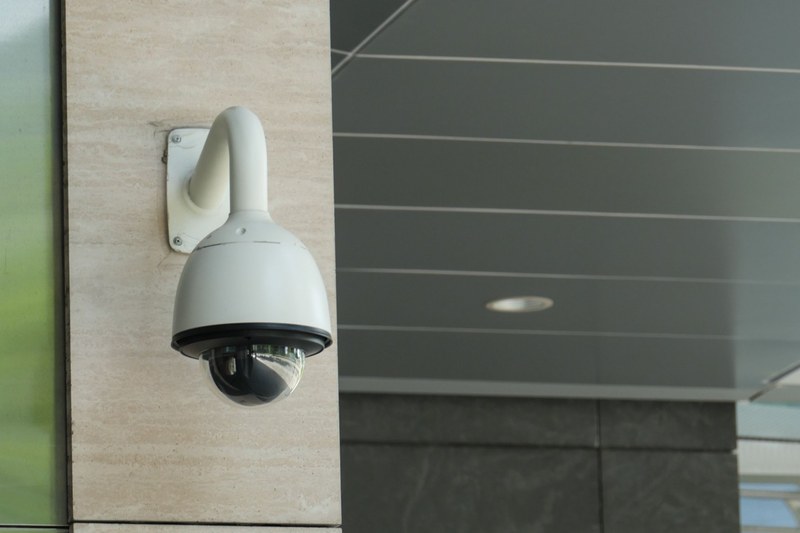
Nursing homes can use security cameras in hallways, entrances, and other common areas, but placing cameras in resident rooms is a different matter. Federal law gives nursing home residents a right to personal privacy that includes their accommodations, medical treatment, and personal care. A facility that records residents in their rooms, especially while bathing, dressing, or receiving care, without proper consent may be violating those rights.
Cameras can protect residents, and they can also be misused. Here is what families in Tennessee should know.
Table of Contents
Can a Nursing Home Put Cameras in a Resident’s Room?
Federal regulations at 42 CFR 483.10(h) give every resident of a Medicare or Medicaid certified nursing home the right to personal privacy and confidentiality. Personal privacy explicitly includes accommodations, medical treatment, written and telephone communications, personal care, visits, and meetings of family and resident groups.
A resident’s room is their home. Because personal care happens there, facility-installed cameras in resident rooms raise serious privacy concerns unless the resident, or someone with legal authority to act for them, has given informed consent. Roommates have privacy rights too, which complicates any camera in a shared room.
Tennessee has not enacted a specific electronic monitoring law for nursing home rooms, unlike some other states. That means federal privacy rules, state recording laws, and facility policies all shape the answer.
Where Can Nursing Homes Use Security Cameras?
Facilities commonly use cameras in areas where residents do not have the same expectation of privacy, such as:
- Entrances and exits, including doors on secured memory care units
- Hallways and corridors
- Nurses’ stations
- Dining rooms and activity areas
- Parking lots and building exteriors
Cameras generally should not record bathrooms, shower rooms, or any place where residents are undressed or receiving intimate care.
What Happens When Staff Photograph or Record Residents?
This is one of the clearest areas of federal guidance. In 2016, the Centers for Medicare and Medicaid Services issued Survey and Certification Memo 16-33-NH after reports of staff taking photos and videos of residents and posting them on social media.
Under that guidance, nursing homes must:
- Prohibit staff from taking or using photographs or recordings that demean or humiliate residents
- Train staff on those policies
- Treat violations as abuse, since mental abuse includes harm caused through photographs and recordings
- Report and investigate allegations as they would any other abuse
If an employee recorded your loved one in a degrading way or shared images online, that is abuse, and it should be reported to the Tennessee Department of Health and Adult Protective Services.
Can Families Install Their Own Cameras?
That is a separate question with its own rules, including Tennessee’s recording laws, consent from the resident and any roommate, and the facility’s admission agreement.
Some families worry that raising camera questions will make staff treat their loved one differently. Federal rules protect a resident’s right to voice grievances without reprisal, and our post on how nursing homes retaliate against families who report abuse explains what that can look like and how to respond.
Can You Get a Nursing Home’s Security Footage?
Often, yes, but timing is everything. Facility video from hallways and common areas can show whether staff answered call lights, whether a resident was left alone, how a fall happened, or whether another resident wandered into a room.
Many systems record over footage automatically within days or weeks. To protect it:
- Ask in writing for the facility to preserve all video from the relevant dates and locations
- Be specific about times, hallways, and doors
- Request your loved one’s medical records, including incident reports and nursing notes
- Have a lawyer send a formal preservation letter, which puts the facility on notice that destroying evidence can carry legal consequences
Facilities sometimes resist handing over what families ask for. Here is what to do when nursing homes hide residents’ medical records from families.
What Should You Do If You Suspect a Camera Is Being Misused?
If you believe a facility camera is recording your loved one during private care, or that staff have shared images of residents, take these steps:
- Ask the administrator in writing where cameras are located, what they record, and who can view the footage
- Request the facility’s written policy on cameras, photographs, and recordings
- Write down what you observed, including dates, times, and names
- Report concerns to the Tennessee Department of Health and Adult Protective Services
- Contact the long-term care ombudsman, who advocates for residents’ rights
- Talk with a lawyer if the misuse is connected to abuse, neglect, or an injury
Nursing Home Camera FAQs
Can a nursing home refuse to let us install a camera?
Because Tennessee has no statute giving residents a right to in-room cameras, facilities often address cameras in their admission agreements and policies. Review those documents and talk with a lawyer before installing a device.
Is it abuse if staff took a photo of my mother without permission?
If the photo or recording demeans or humiliates a resident, federal guidance treats it as abuse that must be reported and investigated.
Do cameras in hallways violate residents’ privacy?
Generally no. Common areas do not carry the same privacy protections as resident rooms, bathrooms, and care areas.
How long do nursing homes keep surveillance video?
It varies by system. Some overwrite footage within days, which is why a written preservation request should go out right away.
Protecting Privacy and Proof in Tennessee Nursing Homes
Cameras can help prove neglect, and they can also be used to strip residents of dignity. Families deserve to know which side of that line their facility is on, and to secure the footage that shows what really happened.
The Higgins Firm represents families in nursing home abuse cases across Tennessee. Contact our team for a free, confidential consultation. You pay nothing unless we recover money for you.
Author Bio

Jim Higgins, founder of the Higgins Firm, is a seasoned personal injury attorney with deep roots in Nashville, Tennessee. A 4th generation Nashvillian, Jim carries on the legal legacy of his father, a judge for over 30 years. After graduating from the University of Memphis School of Law, Jim’s career began on the other side of the courtroom, defending insurance companies and learning their tactics for minimizing settlements. However, he soon realized his true calling was fighting for the rights of the injured, and for the past several years, he has exclusively represented plaintiffs in personal injury cases.
Since then, his dedication and skill have earned him membership in the prestigious Million Dollar Advocates Forum, an organization limited to attorneys who have secured million and multi-million dollar verdicts and settlements for their clients. Licensed to practice in Tennessee, Kentucky, and Georgia, Jim focuses on personal injury, product liability, medical malpractice, and workers’ compensation cases. His exceptional work has been recognized by his peers, earning him a spot on the Super Lawyers list from 2021 to 2024, a distinction awarded to only a select group of accomplished attorneys in each state.